


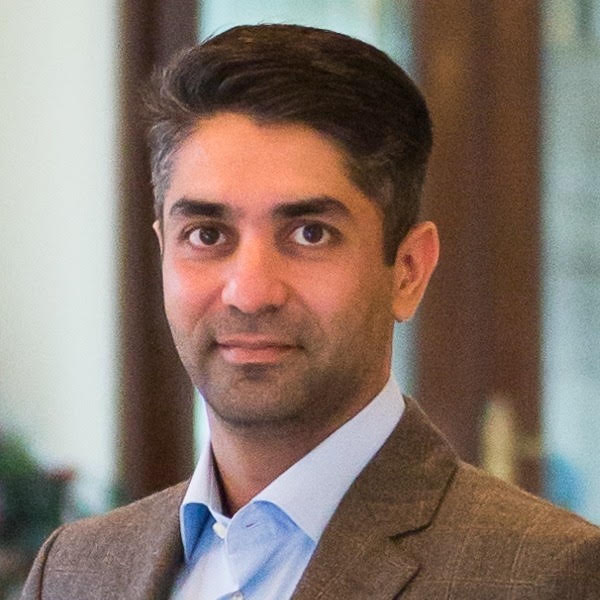
India’s first individual Olympic gold medallist, Abhinav Bindra, has questioned the Indian Olympic Association’s (IOA) election process, flagging an apparent discrepancy between its Constitution and the rules governing the election of Sportspersons of Outstanding Merit (SOM) representatives.
In a post on X on November 12, Bindra made public his October 31 letter addressed to IOA President PT Usha and CEO Raghuram Iyer, seeking clarification over Article 3.7 of the IOA Constitution and the recently notified SOM election rules.
Unfortunately, my private correspondence with the Indian Olympic Association has found its way into the public domain. Given the references to it in recent media reports, I thought it appropriate to share my letter of 31 October 2026 in its entirety, so that its intent and context are clear.
The letter was written before the elections, in a spirit of constructive engagement and with the larger interests of Indian sport at heart.
I had raised a specific question concerning an apparent inconsistency between the IOA Constitution and the electoral rules. While I received an indication of which rules were being followed, the underlying constitutional question remained unanswered. To date, I have received no substantive clarification from either the Electoral Officer or the IOA leadership.
My intention was never to question individuals or influence an electoral outcome. It was, and remains, to encourage greater clarity, transparency and confidence in our institutions.
I have always believed that the strength of an institution lies not in the absence of questions, but in its willingness to address them.
As India looks towards an increasingly ambitious future in world sport, the credibility of our institutions will be just as important as the achievements of our athletes. Strong governance is not merely an administrative necessity; it is the foundation upon which lasting sporting progress is built.
My sincere hope is that we move forward with a shared commitment to constitutional clarity, fairness and integrity in all our institutional and electoral processes. These principles must never depend on individuals or outcomes. Ultimately, the credibility of our sporting institutions rests not merely on the decisions they make, but on the fairness and integrity of the processes through which those decisions are reached.
Indian sport deserves nothing less.
— Abhinav A. Bindra OLY (@Abhinav_Bindra) November 12, 2026
Article 3.7 provides for eight SOM representatives to be selected by the Athletes Commission and ratified by the General Assembly before the election of IOA office-bearers. However, under the new SOM Rules, eight representatives were elected from an 80-member electoral roll on November 9.
Bindra said his central constitutional question remained unanswered despite seeking clarification from the IOA.
“To date, I have received no substantive clarification from either the Electoral Officer or the IOA leadership,” he wrote.
Clarifying his position, Bindra stated:
“My intention was never to question individuals or influence an electoral outcome. It was, and remains, to encourage greater clarity, transparency and confidence in our institutions.”
The Olympic champion, who participated in the voting but did not contest the elections, underlined the importance of institutional accountability.
“I have always believed that the strength of an institution lies not in the absence of questions, but in its willingness to address them.”
Bindra’s intervention puts the spotlight on constitutional clarity, transparency and athlete representation within India’s apex Olympic body, particularly ahead of the IOA Executive Council elections scheduled for December 5.