


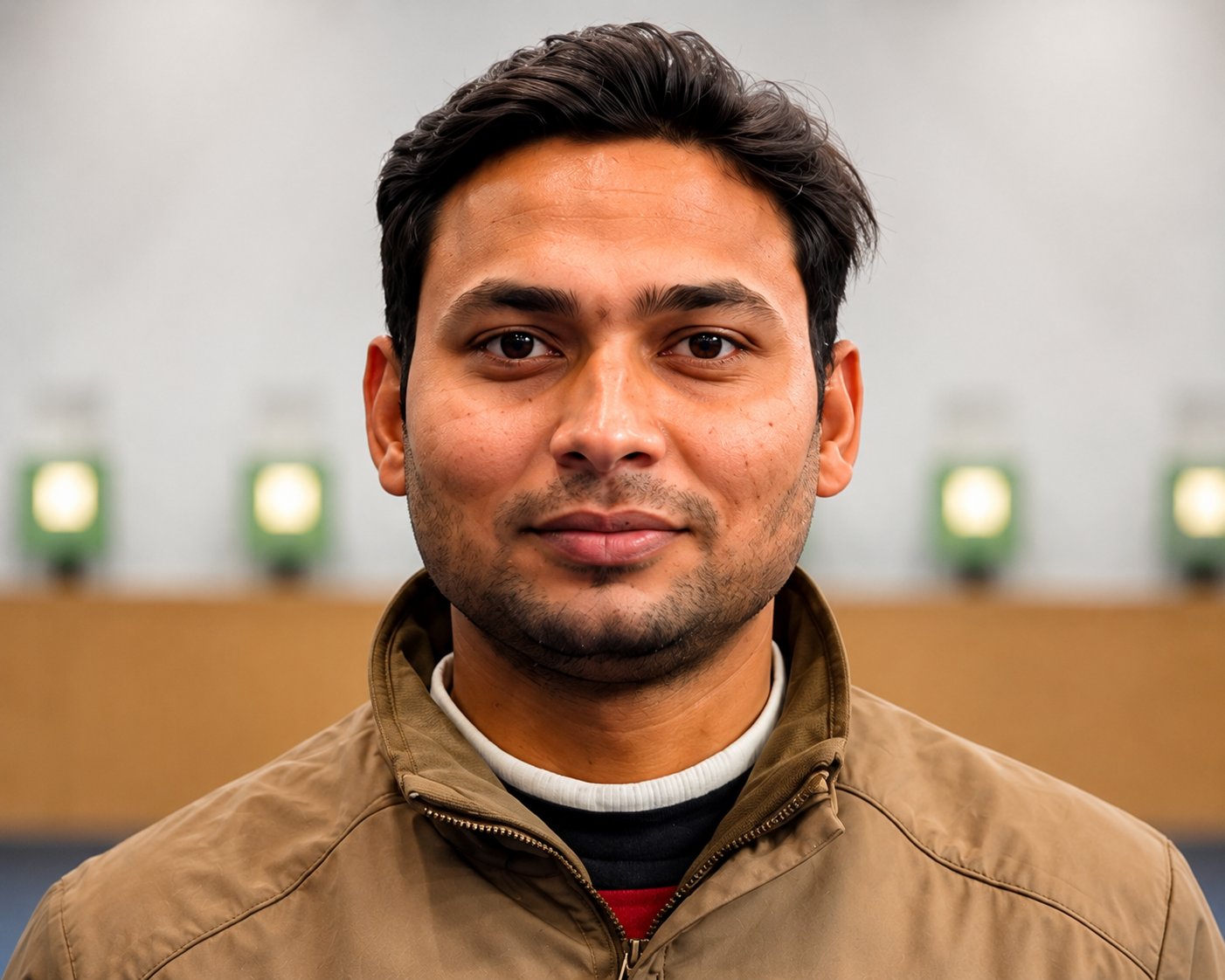
Indian shooting has been rocked by a major anti-doping controversy after pistol shooter Gaurav Kumar Masoori, who had earned selection for both the 2026 Asian Games and the upcoming ISSF World Cup in Hangzhou, returned an Adverse Analytical Finding (AAF) for the prohibited beta-blocker propranolol.
According to reports, Masoori’s sample, collected during the Kumar Surendra Singh Memorial Shooting Championship in New Delhi earlier this year, tested positive for propranolol and its metabolite, 4-hydroxy-propranolol. The substance is prohibited in shooting because it can reduce heart rate and suppress physiological tremors, potentially providing an unfair advantage in precision events.
Although Masoori has reportedly not been provisionally suspended, the National Rifle Association of India (NRAI) has replaced him in India’s Asian Games squad to ensure the country did not miss the deadline for submitting its final team. Akash Bharadwaj has been named as his replacement in Men’s 10m Air Pistol.
Masoori’s coach, Shekhar Tomar, confirmed that a reply has already been submitted to the National Anti-Doping Agency (NADA). According to the coach, the shooter had declared the use of a painkiller on the doping control form and the defence has decided not to request analysis of the B sample, opting instead to await NADA’s decision.
Reports also indicate that while India was able to make a replacement for the Asian Games, it may not be permitted to replace Masoori for the ISSF World Cup in Hangzhou as the entry deadline has already passed.
Why Propranolol is prohibited in shooting
Propranolol is a beta-blocker commonly prescribed to treat conditions such as high blood pressure, certain heart disorders and anxiety. In precision sports like shooting, however, it is included on the World Anti-Doping Agency (WADA) Prohibited List because it can lower heart rate and reduce tremors, potentially enhancing an athlete’s ability to shoot with greater stability.
An Adverse Analytical Finding is not, by itself, a final anti-doping rule violation. Under the anti-doping process, the athlete has the right to present an explanation before a final decision is reached. The outcome of Masoori’s case will depend on NADA’s adjudication process.
The incident serves as an important reminder that athletes are responsible for every substance that enters their bodies, including prescribed medications and dietary supplements. Shooters are advised to verify all medicines with qualified medical professionals and anti-doping authorities and, where required, obtain a valid Therapeutic Use Exemption (TUE) before using medications that appear on the prohibited list.